
Blood pressure is the force asserted by the blood against the wall of the blood vessels.
HYPERTENSION also known as High Blood Pressure, is a condition where by the blood’s movement against the artery wall is too high.
It can also be defined casually as “when the blood pressure is above 140/90 mmHg.
People living with High Blood Pressure may not know because they don’t see any clinical manifestations (symptoms) unless they get checked. That is why it is important for any individual to do medical checkups regularly to know any risk before it goes out of hands.
WHAT CAN INCREASE THE RISK OF HAVING HYPERTENSION
- Older age
- High salt diet (That’s why researchers said, an individual should take just a spoon of salt a day)
- Genetics
- Not being physically active (This can really help get rid of certain diseases)
- Obesity
- Drinking too much alcohol
Blood pressure is written as two numbers. The first (systolic) number represents the pressure in blood vessels when the heart contracts or beats. The second (diastolic) number represents the pressure in the vessels when the heart rests between beats.
So therefore, the normal blood pressure range for adults is SYSTOLIC: 95 – 135 and DIASTOLIC: 60 – 80. 140/90 or above is considered High Blood Pressure.
RISK FACTORS OF HYPERTENSION
Modifiable Factors
- Unhealthy diets (high salt consumption, diets high in saturated fat, low intake of fruits and vegetables)
- Excessive alcohol and tobacco intake
- Physical Inactivity
- Being overweight or obese
Non-modifiable Factors
- Genetics
- Age (over 65)
- Existing disease in the body such as diabetes or kidney diseases
SYMPTOMS
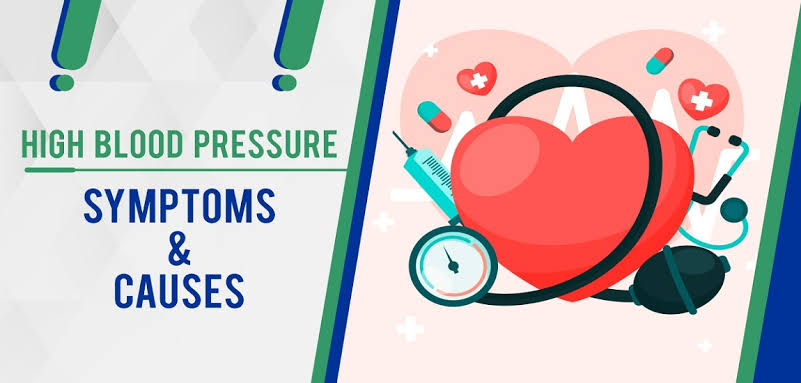
Some people do not see any symptoms, which will make them think they are okay, and will later become severe without prior notice, which is why you should check your blood pressure range. Certain symptoms include headaches, blurred vision, chest pain and other symptoms
People with severe High Blood Pressure range of 180/120 or above will experience symptoms like:
- Severe headaches
- Chest pains
- Dizziness
- Difficulty in breathing
- Blurred vision
- Anxiety
- Weakness
- Abnormal heart beat rhythm and more…
NB: If you are experiencing this symptoms, seek medical help IMMEDIATELY
TREATMENT
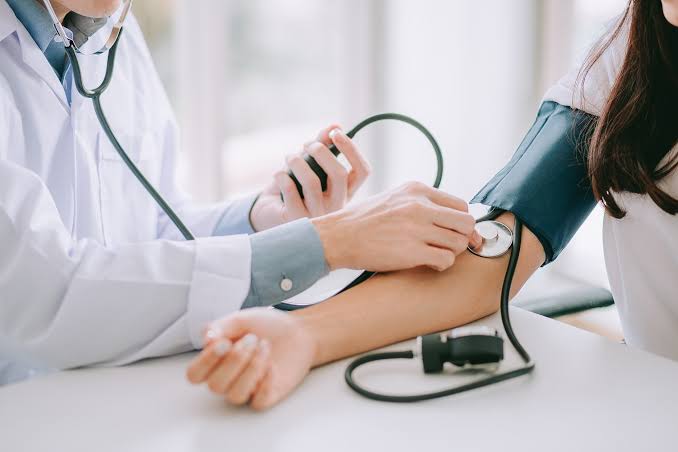
Making certain changes to your lifestyle can help reduce High Blood Pressure, which include the modifiable factors:
- Eating healthy diets (low in salt, including unsaturated fats, high intake of fruits and vegetables)
- Quit alcohol and tobacco intake
- Involve in physical activities
- Reduce weight
- Seek medical help and tell them all you notice
PREVENTION
Healthy lifestyle can help reduce the risk of hypertension which include:
- Eat healthily (less salt and saturated fat)
- Sit less
- Lose weight
- Be physically active
- Quit drinking and smoking
NB: Hypertension can block or burst arteries that supply blood and oxygen to the brain, causing a stroke and can also cause kidney failure. Take care of your health, so that you can live well.
Take care of anyone you know that is suffering from Hypertension; they need care.

ALL ABOUT HEALTH…
Reference: The World Health Organisation (WHO)


 ALL ABOUT HEALTH (AAH)
Leave a comment