Diabetes is a chronic disease that affect people of all ages. It is said to be diabetes when the pancreas cannot produce enough insulin or the body cannot effectively use the insulin produced by the pancreas. Insulin is an important hormone in the body system, that that regulates blood glucose.
GLUCOSE OR SUGAR is a very important nutrient in the body, which supplies energy for living and survival. It is then dangerous if the glucose is too high in the body, and even dangerous if the level is too low in the body.
FORMS OF DIABETES
- Hyperglycaemia: This is called raised blood glucose or raised blood sugar. It is considered dangerous.
- Hypoglycaemia: This is called too low blood glucose or too low blood sugar. It is considered more dangerous.
BY THE WORLD HEALTH ORGANISATION
In 2014, 8.5% of adults aged 18 years and older had diabetes. In 2019, diabetes was the direct cause of 1.5 million deaths and 48% of all deaths due to diabetes occurred before the age of 70 years. Another 460 000 kidney disease deaths were caused by diabetes, and raised blood glucose causes around 20% of cardiovascular deaths.
Between 2000 and 2019, there was a 3% increase in age-standardized mortality rates from diabetes. In lower-middle-income countries, the mortality rate due to diabetes increased 13%.
By contrast, the probability of dying from any one of the four main noncommunicable diseases (cardiovascular diseases, cancer, chronic respiratory diseases or diabetes) between the ages of 30 and 70 decreased by 22% globally between 2000 and 2019.
SYMPTOMS OF DIABETES

The clinical manifestations (symptoms) of diabetes can occur suddenly, and can also take some years before it is been noticed. The symptoms include but not limited to:
- Frequent urination
- Unintentional weight loss
- Tiredness
- Blurred vision
- Frequent thirst
- Having slow healing sores
If diabetes remains in the body for a long time, it can cause more harms to the body, by damaging the blood vessels in the eyes, heart, kidneys and nerves.
Diabetes opens the body to more health problems which may include heart attack, stroke, kidney failure, permanent vision loss.
TYPES OF DIABETES
- Type 1 Diabetes: This is when the pancreas is not producing enough insulin for the body to use.
- Type 2 Diabetes: Affects how the body uses sugar for energy generation, and stop the body from using insulin properly, which can result in high levels of sugar if not noticed or treated on time.
- This type of diabetes is preventable if the necessary precautions are taken. Part of factors that make an individual eligible to this type of diabetes are overweight, physical inactivity, genetics.
- This type of diabetes is a serious one and cannot be noticed immediately after setting in, that’s why regular medical checkups are very important for every individual.
- Gestational Diabetes: It is characterized by hyperglycemia which is the abnormal rise in blood sugar level. It happens during pregnancy.
- Pregnancy women having this type of diabetes may experience complications during pregnancy and child birth (delivery).
PREVENTION
Lifestyle can really make your health a sound one or a poor one. Changing your lifestyle to the ones that support your health can help you prevent any form of diabetes.
- Eating healthy foods (reduce sugary foods intake, avoid too much saturated fats intake)
- Being physically active
- Quitting alcohol and tobacco
- Watch your weight
DIAGNOSIS AND TREATMENT
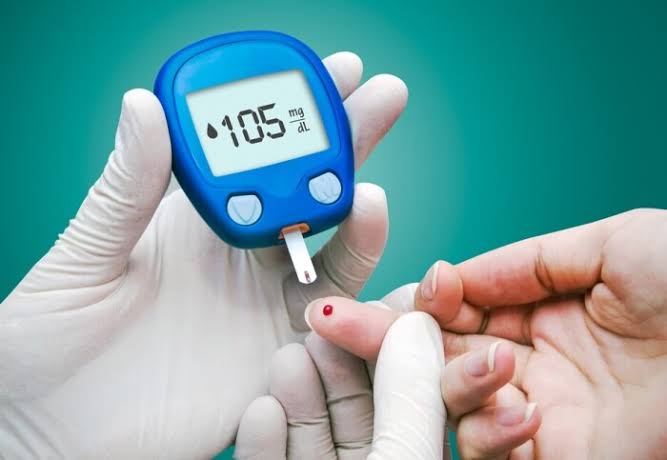
Medical checkups is most advisable in case of type 2 diabetes that will take long to showcase any symptoms. See the doctor and explain all you notice in details.
Healthy lifestyle can help treat diabetes very well, but in case of severity, there’s need for medical attention and prescriptions, which may include:
- In case of type 2 diabetes, medications and insulin injections are to be introduced. Some examples include metformin, sulfonylureas, sodium-glucose co-transporters type 2 (SGLT-2) inhibitors.
- Foot care

Diabetes is a deadly disease that manipulates how the body systems functions. It can open the body to various health problems and can even change the story of an individual.
Take a very good care of anyone you know that is a warrior in this aspect; they deserve care and assistance.
References: The World Health Organisation, Mayo clinic, Adewara Emmanuel Nifemi.
ALL ABOUT HEALTH



 ALL ABOUT HEALTH (AAH)
Leave a reply to mirabelwonderful Cancel reply