
The result of pregnancy after 9 months (37 weeks) is giving birth to a living baby. Most women give birth to a living baby, while some lose their children before birth, or during birth, this is called “STILLBIRTH “
People take miscarriages for stillbirth; meanwhile, pregnancy loss before 20 weeks is called “miscarriage ” while pregnancy loss after 20 weeks is considered stillbirth (Fetus death in the uterus)

THE TYPES OF STILLBIRTH
Healthcare providers classify stillbirths based on the number of weeks of pregnancy before the fetus passes.
- Early stillbirth: This is when the fetus dies between 20 to 27 weeks.
- Late stillbirth: This is when the fetus dies between 28 to 36 weeks.
- Term stillbirth: The fetus dies on the 37th week or after.
RISK FACTORS OF STILLBIRTHS
Stillbirth can happen during any pregnancy. But the way you live your lifestyle can alter what your pregnancy would turn out to be (a living and healthy child or a dead fetus)
- Substance use: Substances like alcohol, hard drugs, tobacco and more would cause havoc to someone without pregnancy not to talk of a pregnant woman. Substance use during pregnancy can cause stillbirth, Fetal Alcohol Spectrum Disorder and more.
- Age: Age can also cause stillbirth because it rates higher for teenagers and 35 or older people
- Health conditions: Health conditions like diabetes, high blood pressure, blood clotting disorder, thyroid disorders, lupus, obesity and more…
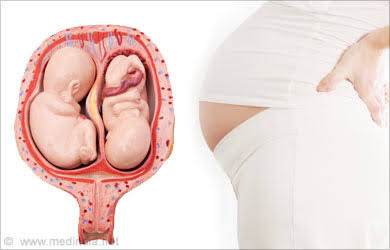
- Type of pregnancy: People with multiple fetuses (twins, triplets and more) are at high risk of experiencing stillbirth.
- Stress: Stress ranging from financial difficulties, family matters, extreme exercises and more, can cause stillbirth.
- Environment and resources access: If you are in an environment where there are no medical resources or an environment where there is very limited access to prenatal care, there might be another case of stillbirth, because you know less about the fetus and all pertaining to it
CAUSES OF STILLBIRTHS
Causes can be complex. Issues primarily affecting the mother (gestational parent), the fetus, or the tissues and organs connecting them can all lead to stillbirth.
- Infections
- Problems with the placenta or the umbilical cord
- Conditions affecting the fetus
- Pregnancy complications
- Preeclampsia: high blood pressure that occur during the second half of pregnancy
- Cholestasis of pregnancy: a form of liver disease that develops late in pregnancy
- Premature birth: When the baby is born prematurely ( before the 37th week)
- Preterm Premature Rupture of Membranes (PPROM): When the fluid filled protective sac surrounding the fetus breaks too early.
SYMPTOMS
Oftentimes, it is to notice the activities of the fetus to determine if it is still active like before
DIAGNOSIS

It is advisable to visit your healthcare provider so that various tests would be done pertaining to the pregnancy. Ultrasound would be done to find the fetus’s heartbeat.

Taking care of your own health cannot be over emphasized. Pregnancy is not a child’s play, so prepare very well before pregnancy occurrence so as to prevent complications and risk taking.
If you are already pregnant, visit your healthcare provider REGULARLY, for your sake and the fetus’s sake.
ALL ABOUT HEALTH
References:
- American Pregnancy Association. Stillbirth: trying to understand (https://americanpregnancy.org/getting-pregnant/pregnancy-loss/stillborn-trying-to-understand/). Accessed 9/6/2023.
- Centers for Disease Control and Prevention (U.S.). What is stillbirth? (https://www.cdc.gov/ncbddd/stillbirth/facts.html)Last reviewed 9/29/2022. Accessed 9/6/2023.
- Scalise C, Cordasco F, Sacco MA, Ricci P, Aquila I. The Importance of post-mortem investigations in stillbirths: case studies and a review of the literature (https://www.ncbi.nlm.nih.gov/pmc/articles/PMC9318112/). Int J Environ Res Public Health. 2022 Jul 20;19(14):8817. Accessed 9/6/2023.
- Silver RM. Maternal going to sleep position and late stillbirth: time to act but with care (https://www.ncbi.nlm.nih.gov/pmc/articles/PMC6543170/). EClinicalMedicine. 2019 Apr;10:6-7. Accessed 9/6/2023.
- The American College of Obstetricians and Gynecologists. Stillbirth (https://www.acog.org/womens-health/faqs/stillbirth). Reviewed 2022. Accessed 9/16/2023.
- Adewara Emmanuel Nifemi (All About Health)



 ALL ABOUT HEALTH (AAH)
Leave a reply to mirabelwonderful Cancel reply